
Cause Matters Blog

Archive for the ‘Farming’ Category

Do Activists Destroy Family Farms?

Wednesday, November 2nd, 2011

A mother who had to go back to work to cover legal costs. A dad who never had health issues now has to visit the doctor for stress-induced illness. A little girl so worried about her family farm being taken away that she has panic attacks. This is the reality of what activists do to family farmers. Count it as a wake-up call for anyone who thinks it will never happen to them.

“Pray to God it doesn’t happen to you” is the single message Alan Hudson wants his fellow farmers to know about his experience with activists. “Go to meetings even when it doesn’t suit you and keep up on the regulatory front.” It’s not just about the $200,000+ in legal costs; it’s the embarrassment of being in the local paper more than a kidnapper who murdered a little girl. It’s the toll it’s taken on the entire Hudson family. And, it’s the invasion of privacy with planes circling their farm whenever they’re working cattle.

The Washington Post and Baltimore Sun calling for a comment alerted Alan and his wife, Kristin, about the pending lawsuit in December 2009. Rather than talking to the Hudsons about their concerns or contacting them through lawyers, Waterkeeper Alliance turned to the media. At question? A pile at the back of the Hudson farm.

Waterkeepers hurt family farmsOn a flight over their farm on the Delmarva Peninsula, an activist saw a pile that she thought was chicken manure. Assateague Coastkeeper and Kathy Phillips posted aerial photographs of what they claim to be a chicken litter pile at Hudson, later determined to be Class A biosolids. In technical terms, Class A biosolids can be land applied without any pathogen-related restrictions at the site – and the pile in question had been pasteurized.  In other words, it’s waste water solids that can also  be bagged and marketed to the public for application to lawns and gardens. Yes, that would be “nutrient-rich organic materials” from humans – in this case, from Ocean City.

Maryland Department of the Environment (MDE) investigated the mystery pile of poo, asked the Hudsons to move the pile to a different location on the farm. Alan obliged and spent most of the week of Christmas moving and covering the pile.  MDE was happy and said the farm didn’t need to take any further action other than to spread the biosolid pile in the spring for the next crop growing season.  They inspected the farm again in January 2010, noting “no animal manure piles were observed outside.”

Yet the federal lawsuit was still filed, first by Waterkeeper Alliance, Assateague Coastkeeper and Kathy Phillips alleging discharges in violation of the Clean Water Act, the latter of which were dismissed as plaintiffs. Hudson said their latest claim is that manure if flying out of fans, which he considers highly unlikely since urine and feces are mixed in the poultry species. I suspect the only manure flying around is that from people looking for trouble.

Alan and his 75 year-old dad run what activists call a “factory farm.” They have Cornish Hens in two barns and contract with Perdue Farms because it’s the best business decision for their family to have a stable income. They produce around 500,000 servings of Cornish Hens a year in their barns; composting the manure so that it only needs to be removed once/year (minimizing environmental impact). The Hudsons also have 45 head of beef cattle and  farm 200 acres of corn, soybeans and hay. Alan and Kristin are the fourth generation on their farm and have not had any problems with their neighbors in the the past until this one paid activist – who lives  in a resort town, but regularly conducts ditch tests without any regard to record rainfall or other conditions.

None of us in agriculture will say that we’re in a perfect business; it’s dirty, exhausting and can be smelly. Technology has improved our ability to deal with manure – both animal and human (as shown with the info on biosolids above), but it’s still manure. Farms like the Hudsons use a nutrient management plan to ensure they’re protecting the land, air and water as much as possible. They live on that land, drink the water there and send their kids out to play – it’s not logical that they’d be poisoning their home. Unfortunately, there is no plan for how to deal with well-funded activists that are getting free legal counsel from the state’s land grant institution.

Alan points out that people don’t understand farms like they did when more people were farming. And with lawsuits like this, I have to wonder how many family farmers will be around in the future. If you’re one of them, please use this as a reason to talk to people. If you’re not on a farm, perhaps this is a wake up call to the very real struggles faced by farmers because of activists in today’s litigious society

Note from MPK: After receiving the link to http://savefarmfamilies.org on Facebook and verifying the story through Maryland ag organizations, I really wondered what was wrong with our society. It saddens me when activists destroy the lives of farm families. It angers me that this farm may never see a fifth generation. And it reminds me that more people have to stand up for what’s right.  The Hudsons don’t know it yet, but will be receiving one of the 10x Connect grants to help, in a small way, with their legal costs (you can give at the website). I  reached out to Alan & Kristin to help tell their story. What can you do to ensure this doesn’t happen to more farms?


Popcorn is golden to Chicago kids on a combine

Monday, October 31st, 2011

~guest post by Brian Scott

Chicago students visit popcorn farm“I started this site to promote the virtues of modern agriculture and feature the daily operations of our farm.  Please read, discuss, and enjoy!” This is the last line of my blog’s About page. As a farmer, I know I have the responsibility to talk about my farm.

Earlier this month, I had the privilege of doing both those things up close and personal with a great group of home school kids who came all the way down from the northern suburbs of Chicago.  The kids are participating in the FIRST LEGO League Food Factor Challenge, and they have chosen to study microwave popcorn.  The goal is for them to find a problem in the food production chain and find a way to solve that problem.  I had not heard of this program until the group brought it to my attention via a comment on this site.

Part of that comment reads: This year’s challenge is called Food Factor, and our team has chosen to study microwave popcorn in the pre-packaged bags. We are just beginning our research and were hoping to learn all we can about popcorn. This is where you come in. Would you consider allowing our team, with adult supervision, to visit your farm?

The question asked most frequently by ag people like me on social media is “How can I reach beyond the choir?”  One of our biggest concerns is that we spend too much time talking to people already in the industry and not including the consumer in that dialogue.  With that in mind, it’s hard not to jump at the opportunity to bring these young people out so they can see a real farm in operation.

Since the group consisted completely of home schoolers, their schedule was flexible and they were able to come out to the farm on a day when we were actually harvesting popcorn.  That is easier said than done because the company we grow for needs the grain delivered at a certain moisture content, leaving a small window of opportunity for a group to come out and see the entire process.

farmer talks with studentsThe timing worked out great and the weather could not have been better the day they came out to the farm.  The kids arrived just before noon, and to show their appreciation they brought us lunch at the farm.  After lunch we started on their project – this wasn’t just a farm tour.  We spent quite a bit of time in the office answering questions.  These kids were very well prepared and had lots of great questions for us.

Next we took a trip through the shop and equipment shed before going out into the field to look at the popcorn.  This is probably the part I was most excited about because these kids got to see popcorn still on the ear, standing in the field.  What better proof that food doesn’t come from the grocery store? While in the field there were more questions to be answered, and we even found a couple of ears with insect damage which would be relevant to the objective of their project.  One thing to watch for with popcorn is damage to the outer part of the kernel either by insect or mechanical functions.  If popcorn is damaged, it won’t pop!

Farmers connecting with kidsAfter inspecting the field we walked over to the combine and covered the basics of how it removes the grain from the plant and distributes the residue in the field.  And, as a kind of grand finale, we gave all of the kids and adults a ride in the combine so they could see that whole process in action.

I had a hunch they would enjoy the combine, but I had no idea how excited they would actually be.  When you do this kind of thing everyday, although it is fun and I love doing it, being around it your whole life makes the workings of a farm a pretty normal thing.  Not so for these kids. In case you don’t know a combine has a window in the back of the cab that allows you to see what it going on in the grain tank as it fills with grain.  Everyone who got their first combine ride that day was at first fixated with the front of the machine pulling in the stalks and knocking the ears off.  They didn’t even realize that window was back there unless they turned around or I pointed it out to them.

Kids on combine on farmThe term I’ve been using to describe the reaction of all the kids when they saw entire plants in front of them seconds later somehow turned into clean grain in a window right behind them was that “their brains exploded.” There were lots of shouts of words like cool and awesome, but the quote of they day had to be one kid who looked at the flowing grain and exclaimed, “It’s so golden!” They had been learning eagerly for a couple of hours about how the seeds get in the ground and how long the growing season is, and then in a matter of seconds that plant becomes a form of food they are familiar with. Overall it’s still a pretty neat process for me to see too, but seeing it for the first time was quite a sight for this great group.

Not only did they see popcorn in the field being harvested, on the way back to Chicago they had a tour of the Family Time popcorn facility in Valparaiso, Indiana.  In one day, these kids experience popcorn on the stalk in a field be harvested, trucked away, and then packaged.  What a great experience for them!

Brian is a 31 year old husband, father and 4th generation farmer from Northwest Indiana operating 2300 acres of corn, soybeans, popcorn, and wheat with his father and grandfather. He has a degree in Soil and Crop Management from Purdue University and worked off the farm before returning home.  In addition to family and farm, Brian is an automotive enthusiast and classic rock/metal fan. Find him on Twitter or Facebook, or check out The Farmer’s Life Blog.


Decide. Stress. Pray. Farm.

Friday, October 28th, 2011

~guest post by MRS

toddler, cornPassion for their work is a little different for farmers than for the average career-minded person. For instance, most farmers live on their farm. How many people actually live where they work? How many people have to worry that if their business fails or falls on hard times they might lose the house/property/business that has, often, been in the family for several generations? In addition to that, how many people operate a business where SO MANY factors are completely out of their control?  It can be very stressful to say the least!

This year has been an interesting year for my family’s farm. We had an unusually wet spring and worried that we weren’t going to be able to get our corn in the ground in time. Beans seemed to go in a little more smoothly, but due to the wet conditions, it was almost impossible to get fertilizer on the crops. Then suddenly the rain stopped and the thermostat was cranked up a few degrees. It didn’t rain here in central Indiana for weeks and didn’t start raining again until right before (and during) harvest. I know that other parts of the country have also experienced crazy weather, severe floods and drought – there’s nothing anyone can do to control the weather. Farmers just have to make the best of what they’re given and trust that they made the right decisions with the factors that were under their control.

Then harvest rolls around and suddenly its time to see how the decisions they made – type of seed, fertilizer, herbicide, insecticide, etc – panned out. How did those choices, combined with the weather effect the yield? Sometimes things work out and the right decisions combined with the right weather result in high yields. Other times it doesn’t work out as well.

baby, toddler, combine, harvest, familyHandyMan and his dad spent a lot of time over the summer talking about the weather and how it was affecting the corn and soybeans. HandyMan’s dad commented several times that guys who got their beans in just a week or so before he did were getting a better crop. Then rain would be forecast and HandyMan would be glued to the radar, praying for some rain only to be disappointed when the rain seemed to break up and go around us or dissipate right before it got to us (almost every time). HandyMan would come home from work, go out into the field and come back with a few ears of corn from various sections of the field to see how the ears were filling out and then to see how they were drying up. Several times I’ve had to ask HandyMan to relax and stop stressing, to remind him that we can’t control the weather. All we can do is make the best decisions, based on the information available to us, and then pray that it all works out in the end.

So far, this year isn’t looking as bad as HandyMan and his dad worried that it would. I don’t know exactly what the per acre yield average was for beans, only that it was better than what HandyMan’s dad had thought it would be. And so far corn has turned out the same – better than expected but not as good as last year.

And you know what, I think we’ll take it!


Let’s talk about food

Sunday, October 16th, 2011

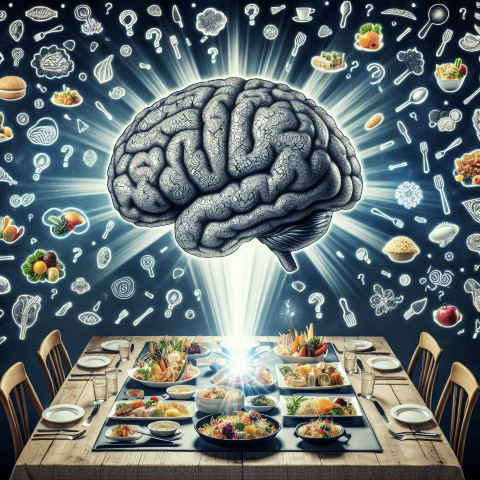
Food is fundamental. It should not elicit feelings of guilt or elitism. Food is sustenance. As a mom, a farm girl, a cook – and a consumer – I believe we should applaud our food origins, whether it’s Blog Action Day 2011, Food Day or any day. I made this video to celebrate the many faces in our food system – and while it’s not perfect, let’s embrace the progress we’ve made.

YouTube Preview Image

Food does not need to be political – nor should it be about posturing. Especially in a time where one in five are hungry – in the U.S. alone. The problem worsens internationally. If you’ve ever looked into the eyes of a hungry child, you’ll gain a new perspective on what’s important with food. I know because of my travels to developing countries such as Egypt and South Africa, as well as the Ukraine and Baltics shortly after communism fell.

Blog Action Day 2011 Food FarmPeople deserve for agriculture to be at its very best. People also deserve choice in the food system, which means we shouldn’t be wasting Food Day or Blog Action Day posturing about our opinions on  organic or conventional, small or large, animal or grain. Instead, let’s honor the incredible diversity of our food system – at many levels, not just on the farm.

Celebrate Food Day and Blog Action Day by reaching a hand across the food plate. If you don’t know a farmer to reach a hand to, please check this list – there are many who will be glad to chat with you. And if you are a farmer, take a look around the Blog Action Day activities for some hands to reach out to.  Let’s talk about it – and reach across the plate so we can all improve!

Other blogs you might want to check out for #BAD11 (Blog Action Day):

Making It Personal

Organic vs. Conventional Dairy

Volunteering to Help the Harry Chapin Food Bank in Feeding America

Is it ok that I don’t buy organic food?

High Fructose Corn Syrum & Corn Planting Decisions


My Day in Agriculture: A Beautiful View

Thursday, September 29th, 2011

The view from my office is the best I’ve had this week, even though speaking has taken me to Santa Monica, California, central Illinois and a video connection with Rome, Italy.  What makes it so special?  My view is rural America at its best – and a tribute to the people I serve in the food and farm business. The scene involves Holsteins, newly green grass (thank you, rain!), our neighbor’s grazing operation and golden corn/soybean fields in the distance. Our pumpkins and indian corn are ripe in the garden and will be shared on a hay ride this weekend. And there’s a buzz of activity for harvest in the air.

This is tranquility for our family – just as it is for so many on farms across the country. In today’s crazy world, we often miss the time to simply reflect on what makes rural America wonderful. Pictures bring that to life, so I’ll let them speak for me in celebration of “A Day in Ag“.  Why not take a moment and reflect on what’s right in this wonderful business – and then share it with others?

Farm mom dairy

Inspiration happens at many levels. This one is up for your intrepretation, but it's important to remember that much of agriculture is about legacy.

Barn boots & high heels

A world apart? It takes both to relate to people around the food plate, I've learned. I'll always be a farm girl, but I love cute shoes.

Technology on the farm

Innovation blended with a rich history best describes today's farms. Yesterday's images are lovely, but Charlotte's Web needs a makeover.

Technology use on farms

Even cows are amazed by the opportunity to "moo" with millions through social media. Won't you join me in sharing your story? If your voice isn't a part of the conversation, who is going to speak for you?

Farm tractors harvest

A great view on my way to the gym this morning. Harvest season offers the perfect opportunity to post a few pictures and talk about what you're doing. It's a novelty to 98.5% of people not on a farm!