
Cause Matters Blog

Archive for the ‘Motivation’ Category

The Greatest Gifts

Thursday, December 22nd, 2011
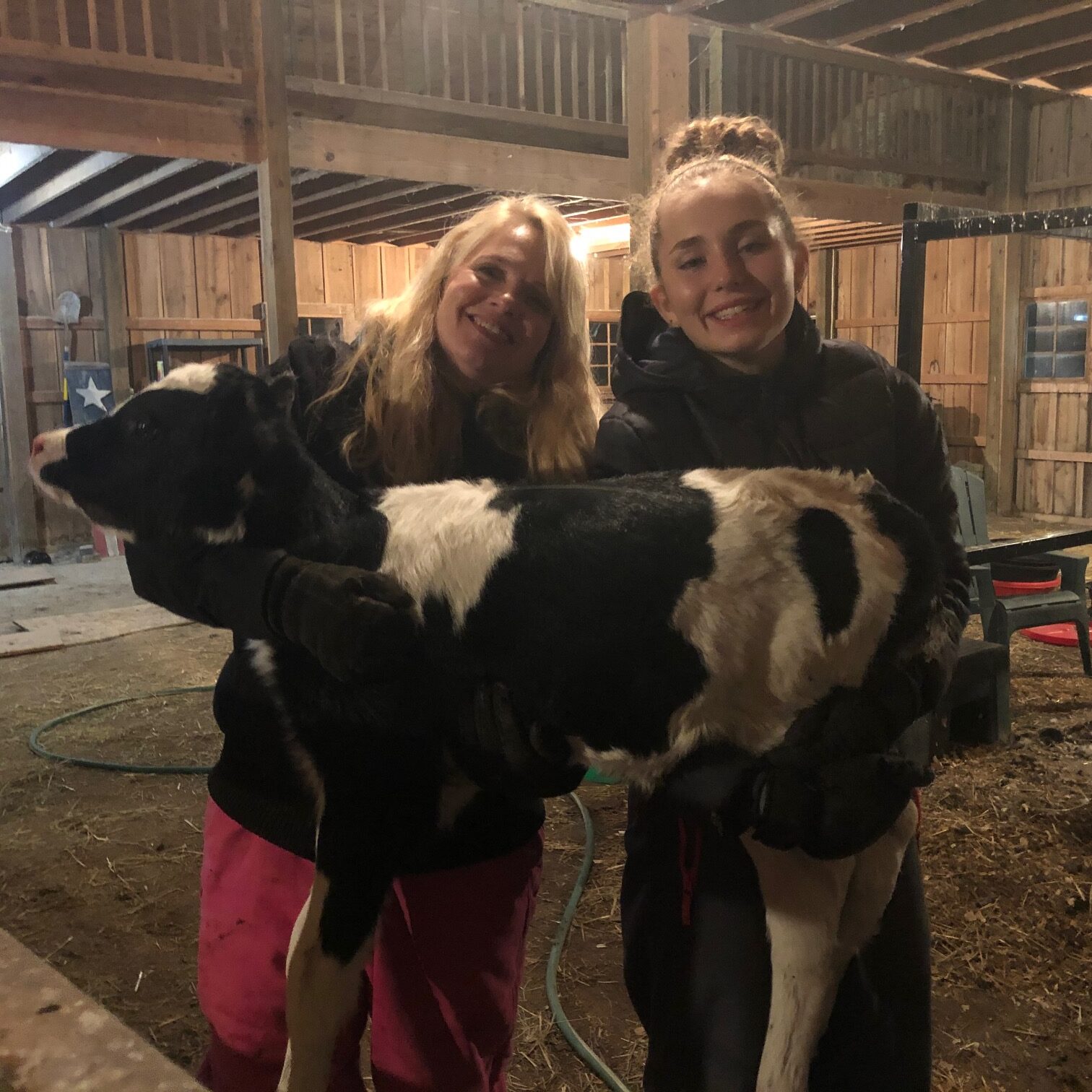
dairy farmers care

A reminder of what really matters...

What’s the greatest gift you’ve ever received? If you’re like me, you enjoy finding and giving gifts – especially if it’s something special for the recipient. My husband thinks I’m a bit overboard with shopping and making gifts, especially for our little darling, but I find the resulting glee to be incredibly satisfying. Contrast that with hubby’s typical response of “Thanks, this is nice.” said in a perfect monotone with the all the excitement of a stone – no matter if it’s a requested tool or a pack of gum. Who knows, that might change this Christmas (or he’ll at least fake it since I’ve publicly thrown him under the bus)? More on that later. Read More »


Pass the Cheetos & drop the Food Guilt

Monday, October 24th, 2011

I love Cheetos. I’ve been known to eat more ice cream than a 200 pound man. My sweet tooth sometimes results in a meal made of desserts. And look out if you ever wave a piece of milk chocolate in front of me!

My food. My diet. My lifestyle. My choice. I don’t need the guilt trip running rampant in food claims today. I also adore cucumbers, get really excited about fresh fruit and grow at least 10 kinds of vegetables in our garden. Our little girl delights in telling her classmates that her favorite food is raw spinach and keeps a cow employed with her milk consumption. We get fast food at times because it’s quick – and it’s better than being hungry. I refuse to accept the guilt trip that it makes me a bad mother.  One fast food place we won’t stop is Chipolte’s – because they lay on the food guilt thicker than sour cream with their claims and labels that are an insult to our upbringing.

I also don’t need food guilt in the grocery. Food is natural, whether it’s written on a label or not – if you don’t know that Cheetos aren’t natural, more than a label is needed. By the same token, absence claim labels are ridiculous – they were started by retailers with an interest in niche marketing. Do you really think those labels are there with your best interest in mind or to create a seed of self-doubt? The self-doubt will lead to you feeling guilty that you’re not doing the right thing as a parent or “eating right,” resulting in a change of buying behavior.

Food should be fairly simple – you choose it, you eat it and you take responsibility for the results. In other words, if I eat like a cow and gain weight – I have to spend more time on the bike or throwing bales.  My weight gain and health condition is not McDonald’s fault, it’s not the company’s fault who made the Cheetos (yum) and it certainly isn’t the corn, cane or dairy producers’ fault. The food on my fork is my responsibility.

Farmers & healthy food choicesBefore you judge me as a food slob, consider this; I work out at least three times a week and am not known for sitting still. I serve home-cooked, low fat meals to our family and carefully monitor our balance of protein, fruits and veggies. Except when we’re on vacation; then we eat Cheetos with cookies on the side and ice cream for breakfast. Based upon conversations with my girlfriends, we’re fairly normal. You’re welcome to judge that all you want – but spare me the guilt.

October 24 was Food Day, put together by an activist group that specializes in guilt trips, the Center for Science in the Public Interest. How about this? We celebrate World Food Day by stopping the food guilt.  Celebrate the opportunity for people to make food choices by saying no to the guilt thrown at us in every venue about food and farming. Unless you’ve visited modern day farm yourself, don’t call a farm a factory just because it looks different than your Charlotte’s Web book.  Take responsibility for your own junk food addictions and don’t blame marketers or producers. If you don’t feel great because of your diet, learn more about healthy foods from a registered dietitian (thank you, American Dietetic Association for not endorsing any food guilt claims).

And consider that sustainable farms are those that can survive as a business – meaning it’s O.K. if they make money.  I’d hope the most important measure of a sustainable farm and Food Day (#FoodDay) is meeting the needs of a growing population.  9 billion mouths is a lot to feed by 2050.  It will take a variety of farms, a reduction in food politics, modern agricultural practices and less of the food guilt to draw in the folks “in the middle” who could likely make a real difference in a food movement. Join me in standing up against the food guilt!


Going Beyond the Choir: Blog Action & Food Day

Friday, October 14th, 2011

“We need to quit preaching to the choir and go beyond agriculture.”  This is the single most common wish I hear from ag folks in my advocacy training workshops across the States and Canada. Going beyond the agriculture choir is easy to talk about, but difficult to execute. However, this week offers several opportunities for you to extend he reach agriculture’s voice. Please help get the word out to other folks.

Farmers in Blog Action Day 2011
Be sure farmers are a part of this conversation!

Blog Action Day is Sunday, October 16, focused on food. I’d encourage you to go to http://blogactionday.org, register your blog and and then write a post that offers your perspective on food.  You can also tweet using #BAD11 or connect on Facebook. At a loss for what to write or stressed about time constraints? They’ll give you ideas here.

If you’re on a farm or ranch, remember your daily “mundane” chores are a novelty to 98.5% of the population. You can even grab a video camera and record what you’re doing (know that I’m smiling as I write this since so few enjoy video cameras). Write about harvest and how that makes a difference in the food system. Consider drawing parallels between technology used on the farm and world famine. Open the window into your barn by sharing how you care for animals.

Have some fun with it – this should simply be a conversation. It is not rocket science, particularly if you’re able to focus on hot buttons of those who are “beyond the choir.”  Stay away from the science talk, drop the ag jargon and share why your family cares about making a difference in the food system.  In other words, relate on a human level!

Blog Action Day also falls on Food Day this year, orchestrated by Center for Science in the Public Interest (CSPI)All stripes of agriculture deserve to be represented in Food Day – and you need to understand that the food story will be told by those present in the conversation. Are you willing to add your voice?  You can do so by tweeting with the #FoodDay tag, seeing and responding to their messages on YouTube, commenting on their Facebook page or referencing it in your blog posts (for Google rankings).

Keep it positive – you do not need to be defensive, though you may not agree with many of the messages coming from Food Day. Why not add diversity to the discussion – and real life examples from people who live and breathe agriculture?  And if someone takes a nasty shot at you, a certain sector of ag or questions your style of farming – take the high road. Help people understand your family’s role in food, why it matters and the necessity choice for both food buyers and producers.

Going beyond the choir involves jumping out of the choir loft and finding your own groove.  Are you ready to take that step?  I hope so – your voice needs to be added to the mix or it’s going to be a rather lopsided ensemble. I’ll be there – and have no desire to be a solo act. Won’t you join me?


Are farmers and ranchers ever happy?

Monday, September 19th, 2011

Farmers talking with consumers neededThis was originally entitled “Isn’t it time we pull our heads out?”  A close runner-up was “Your stubborness and independence may work on the farm – and put you out of business.” Professional discretion prevailed. However, it seems as though farmers and ranchers are never happy. And I’m not talking about the weather!

We first get mad when people “attack” agriculture. Then we thumb our noses at the “ignorant city people” who should know where their food comes from. And we grumble that we have to take the time to talk to these people when we’d rather be out with our land and animals.  Usually somewhere in there is “someone else should be doing this for me – that’s why I pay check-off programs and my Farm Bureau membership.”

Territories develop, policy battles get in the way and the complexities of the agrifood system prevail. We get annoyed when these groups don’t represent every single practice exactly the way we want them to. It’s fair to say that an organization simply can’t tell YOUR story like you can – nor should they. However, we also complain that agriculture never works together – “it sure would be nice if the pork farmers would agree with corn farmers and those dairy people would get in line with the rest of us.”

After a lot of rhetoric  and a few failed attempts, a variety of farm organizations finally pulled together the U.S. Farmers and Ranchers Alliance last year. So now farmers and ranchers are complaining that such a “large” organization can’t possibly represent ME because I farm _____. And how diverse is it anyhow – are you sure it includes what I do? And is it O.K. to work with such a big organization?

All of this leaves me a bit confused. This “big” organization was founded on farmer dollars and it’s working to have a conversation BIGGER than any of us as individuals. They are having town hall meetings with a variety of food folks, including chefs, mainstream media, academia and yes – even some people that you’d likely call a pundit. These food dialogues are designed to be a multi-faceted conversation and they’re happening in a way that you can participate virtually to ensure farmers are at the table.   Why not join in on 9/22, submit questions and help answer questions about food?

No one can tell your agricultural story better than you. This effort won’t be perfect. You don’t have to agree with everything they’re doing. But doesn’t it make sense to stand shoulder-to-shoulder and pool our resources when there is only 1.5% in the U.S. population on a farm? Doesn’t it also make sense to approach this as a conversation instead of a battle? And shouldn’t it be more about the big picture than self-interests?

Just in case you’re wondering, nobody paid me to write this. After a decade of working with agricultural advocacy, I’ve heard thousands of complaints from farmers and ranchers across the U.S. and Canada. Frankly, it’s tiring. It’s time to round up the cattle, send them through the chute and get this job done.  Either stop complaining or do something about it. I don’t see that we have any other choice. Do you?


Leveraging the spirit of agvocacy; it’s bigger than you!

Tuesday, September 6th, 2011

How many voices in the conversation?

The last month has been spent on leveraging efforts to connect farm and food through the AgChat Foundation’s Agvocacy 2.0 Conference.  115 farmers, ranchers and ag professionals from the U.S. and Canada were invited to take part in ACFC11 at the end of August. Not a huge number. But I figure they each are capable of reaching at least 1,000 people with their own story.  Which means the reach will likely be at least 115,000 – far more than any singular voice (unless you sing or dance, which I don’t).

One such case – a small producer and processor in Kentucky. We asked Amy Sipes to be a part of ACFC11 panel on how to reach beyond agriculture. She expressed a great deal of concern about having to speak in front of people – many can relate to this fear. But she really wanted to help other agvocates, so she took the risk (with a few promises on my part). I was so proud of her as a very well-spoken, intelligent woman stood on stage. She brought wonderful authenticity and communicated so effectively from both a processor’s and producer’s viewpoint. I didn’t ask her, but am certain that her presentation would never had happened without the confidence social media has given her. That’s the power of the community in action. Watch her and see what you think…I KNOW she touched a lot of hearts that day in Nashville (and you might be surprised at what she has to say).

YouTube Preview Image

If you want more, you can follow Amy on Twitter – and get some humor in the mix. Another person who always brings levity to any conversation is the CNN-famous Steve Tucker from the middle-of-nowhere Nebraska. After hundreds of conversations, I finally met Tykerman1 (and hugged him instead of shaking his hand). A few months ago, I noticed he was in NYC and wondered what a farmer was doing there and tweeting about Central Park when he should have been in the field. As you can see in this clip, he apparently was the comedian of the New York 140 Conference - and did an incredible job of bringing agriculture top-of-mind in a very personable way.

There were many highlights from ACFC11 – from having a refreshing few minutes sitting with a newer agvocate to teach him Twitter (shout out to @SDgriller) to laughing with friends while listening to nails-on-the-chalkboard music in the evening hours. One highlight was the panel of mom bloggers we brought in; these ladies really cemented the necessity of the conversation – and the difficulty agriculture has in hearing “outside” perspectives without getting defensive. Another – and the most meaningful time I spent at the conference – was a small group discussion on how to lead people to social media. We went well beyond the allotted time, simply talking and exchanging ideas about the challenges of getting the hard-headed ag community to understand this “new” tool. It was a great reminder of the spirit of agvocacy and the diverse interests we have in agriculture – and the power of us coming together!

farmers social media

Thanks to Amanda Sollman, Kathy Swift, John Blue, Drew Bender, Jeff Fowle, Ryan Weeks, Mace Thornton, Dan Toland & Chris Raines (not pictured) for serving on the Training Committee.

Hundreds of volunteer hours made that happen…a training committee that planned the entire conference virtually. You can see we like to have a bit of fun – but I hope those involved will take a moment to thank them for all of the time and talent they invested. Over 25 speakers and moderators volunteered their time and talent to deliver best-in-the business content and many others contributed so graciously.

In the last decade, my role in agricultural advocacy has changed from being in front of the pack to trying to “herd” agricultural advocates in the same general direction. This conference was a good reminder of that; empowering people with the right tools and engaging a community is so much bigger than any one individual.

It’s exciting to see agvocates come into their own, step out of their comfort zone, find a place they can really make an impact – and then help others do the same. That leads to more people talking about food and farm – and everything in between – which is a far larger conversation than I could have accomplished. How are you leveraging your efforts?