
Cause Matters Blog

Archive for the ‘Blogging’ Category

Rancher, Mom of 5, Blogger – and Agvocate

Wednesday, December 1st, 2010

We’ve all heard the numbers (only 1.7% of the population is involved in agriculture); we’ve all read the headlines (GMOs Unsafe, Farmer Charged with Animal Cruelty); and we’ve all thought that someone should straighten out the facts and get the story straight.

You’ve likely heard “If it’s to be, it’s up to me.” This is the foundation of agvocacy. Every farmer and rancher wants to combat the misinformation and tell the truth about agriculture. But the nature of the job is that farmers and ranchers are busy! We work 7 days a week, 365 days a year and sometimes more than 12 hour days. Who has time for agvocacy?

Kansas Rancher Blogger Mom

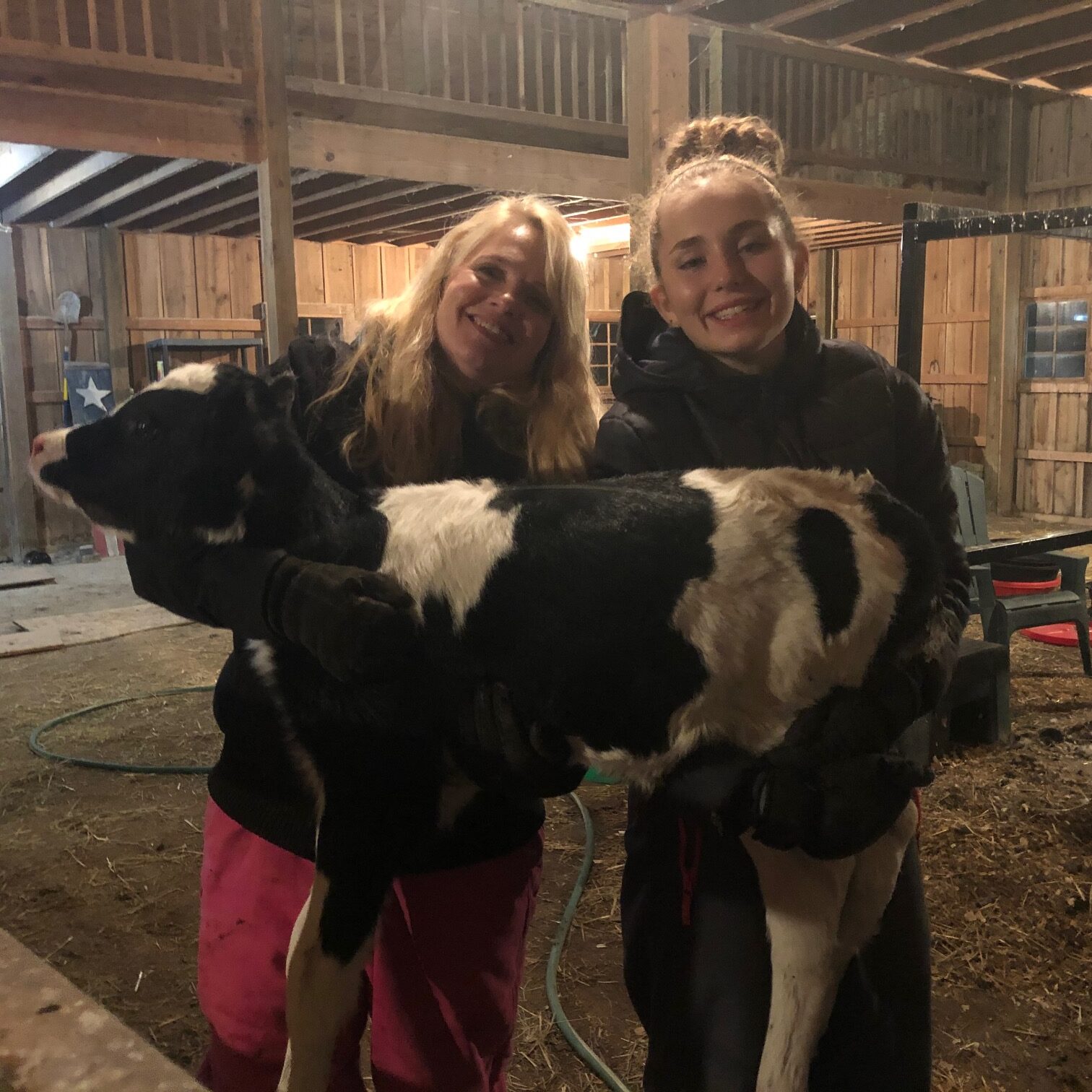
Debbie is a cattle rancher in the Flint Hills of Kansas. She and her husband raise 500 head of cattle and they have five teenagers! Their farm was homesteaded in 1890 by her husband’s family and they are proud to continue the heritage of ranching and conservation of the land.

“If it’s to be, it’s up to me.” Two years ago, my husband’s second cousin brought her young family to visit us on the ranch for a week. She will one day be part owner in some land that we manage, due to the foresight of her great grandfather. He left the land in trust to his grandchildren. Today only one of the six grandchildren is actively involved in agriculture—my husband. This gal only visits the farm that her ancestors homesteaded; she brings her family “to the farm” for a vacation infrequently. Her roots are in this land and with the cattle on it, but she has no first-hand knowledge of what I do here every day.

Her questions about the safety of the beef and milk that we fed our families during their visit were the impetus for me to begin my blog. Like so many ranchers, I knew I needed to reach out to consumers to let them see how I raise cattle, but I couldn’t justify the time spent on something so frivolous as writing a blog or tweeting a photo from the tractor seat. But the same day her family left to return to their Denver home, I began to write about my life on a Kansas ranch.

I chose the title “Life on a Kansas Cattle Ranch” because that is exactly what I decided to write about. I began with, “I’m a wife, a mother to five teenagers and a cattle rancher.” I often remind people that I am no one special. I am just a cattle rancher, who happens to be a woman, and I love to write. So I have chosen that avenue to spread the word about how cattle are raised. I am only special because I have consciously chosen to spend time advocating for agriculture every day.

At an agricultural convention last year, a presenter discussed the importance of advocating for agriculture. He said if 40 people advocated 10 minutes a day, 6 days a week, it would equal the amount of time a full time employee would spend. That doesn’t seem like much time—10 minutes a day! You can do that from the tractor seat while feeding cows or from the truck while you take mineral out to the pastures or even while your family works to vaccinate the year’s calf crop.

Recently, I’ve been honored to be selected as a finalist for the Ag Woman of the Year for the AG CONNECT Expo 2012. I did not foresee this honor and am amazed that my name appeared on their website. As a finalist, I received a new Flip Ultra HD video camera and had to make a 3-minute video telling about my experience as an agvocate. Hope you’ll watch it and if you get a chance, please vote.

YouTube Preview Image
Mom blogger encourages Agvocates

Debbie is in charge of the day to day ranch responsibilities - her husband has a off-farm job. Voting for the AG CONNECT Ag Advocate awards runs November 24 through December 9. If you are interested in voting, go to AgConnect.com and click on the awards voting link.

I’m humbled by the videos of the other candidates and the finalists from all of the categories. There are some great agvocates out there telling our story. But we need more! There are so many activists and wingnuts with the goal to put us out of business – we must get the facts and the truth out there! If you have any interest in agvocating, do not put it off because you are too busy, or you don’t know how to start a blog. Don’t let Twitter or Facebook scare you! Jump in and give it a try.

Take 10 minutes a day to tell your story about what you do on your farm or ranch. Be yourself, don’t worry about trying to be perfect. The people who want to know, would like to see that we are human and we care about what we are doing. Don’t wait…start small and you can build from there. Take 10 minutes to post a facebook status that mentions agriculture…then when you have time, start a blog or open a twitter account. Connect with consumers—they are hungry for information!

~guest post by Debbie’s Lyon-Blythe of kansascattleranch.blogspot.com. Her twitter handle is @DebbieLB and the ranch’s Facebook page is facebook.com/kscattleranch.


WKRP, Silver Sows & Communications Changes

Wednesday, October 13th, 2010

Note from MPK: Changes in communications have fostered connections with people like Chuck Zimmerman. He does a great job with technology, is a member of the AgChat Foundation board & someone I'm glad to call a friend.

Who knew seven years ago that the internet would become so ubiquitous and self-publishing software (blogging/podcasting) would allow everyone to become “the media?”  Not me.  But that was shortly before my wife/partner, Cindy, and I started a company that works exclusively in the production and distribution of online agricultural news and information.  Before that we were “traditional media,” working in farm radio broadcasting for 20+ years.  Remember WKRP in Cincinnati and Les Nessman, who was proud of his Silver Sow award for hog reporting?  Yeah, I’m that old.  Well, we were Les Nessman for many stations via syndicated farm reports.  But things have changed!

Back in 1985, there were close to 300 broadcast members of what is now the National Association of Farm Broadcasting.  Today there are less than 150.  At the same time, there is far more farm audio news being produced and consumed.  It’s just being done via the web, courtesy of podcasting in various forms (some subscription, some click to listen).  I still believe farm radio is a viable and valuable media channel.  Consolidation wreaked havoc though on an industry that was known for great public service and creativity.

Today, I carry more transmitting power in my shoulder bag than any local radio or TV station.  I now broadcast to the world-and so do farmers, agribusiness companies, farm groups , farm radio broadcasters and publication editors.  The media has converged in agriculture to the point where farm broadcasters are carrying cameras and farm publications are shooting video.  Farmers themselves have become legitimate information sources for the public via Twitter, Facebook and YouTube. Some may argue about who is “real” media these days – I say everyone is!

Chuck is President of ZimmComm New Media and publisher of AgWired.com. He is one of the pioneers of agricultural online communications using blogs, podcasts and social networking.

I remember doing a Google search for farm blogs when I got started and there were only a handful.  Now there are thousands; many are created and managed by farmers as well as the farm media.  I just looked at the web stats for AgWired, and in the last month visitors came from 133 different countries!  New media channels like blogs, podcasts and social networking now let us broadcast to the global marketplace.

If you’ve been following Michele, then you know all about AgChat and how farmers are using social networking to re-connect consumers with the source of the food they eat and foster better understanding between gate and plate.  These wonderful new communications technologies have also allowed a lot of people to distribute inaccurate information, often with a political or personal agenda.  This makes it even more important that farmers get involved and make their voice heard.  No excuses now.  All you need is computer and internet access and you don’t even have to own it.  You can often just go to your local library and hop online for free!

In the last year, several surveys have been conducted by traditional media companies and marketing agencies to determine farmer use of media and they all tell a story of the growth of farmer use of online information channels.  There is no one source of information for farmers.  So what does this mean?  It means that how farmers and the general public consume information has forever changed.  But while it means that traditional ag media channels find themselves competing with lots of new information sources, it also means new opportunities for them to distribute information and reach new audiences.

So, I’ll leave you with a couple of questions.  What do you think the changes in ag media and communications means to farmers? To the general public?  What does it mean for traditional ag media?  Have you changed the way you get farm news and information?

~ guest post by Chuck Zimmerman, AgWired.com

Hungry for more? Related posts:
Too Much Information, Too Little Time
Technology in Agriculture: Overload or Opportunity
Harvesting the Benefits of Facebook & Twitter


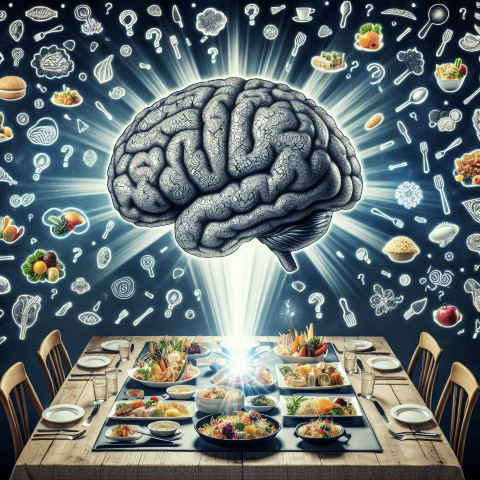
When your brain isn’t enough.

Friday, September 24th, 2010

What happens when you’re just not smart enough? As an entrepreneur, I used to worry a great deal that I wouldn’t have all the answers in my said area of expertise. Nearly a decade later, I’ve come to realize that’s not only arrogant, it’s a disservice to the people I serve in the agrifood business.  I’m still not smart enough to have the answers, but I know a lot of smart people. And if they don’t have the answer – they usually know someone who does. That’s the power of community – especially in these days of hyperconnectivity through Facebook, Twitter, etc.

Take this Gate to Plate blog as an example; you may have noticed a shift in the last month with more frequent postings by guest bloggers.  I finally realized I didn’t have to come up with pithy blog postings that would change the world every day. I know a lot of smart people who have a great perspective to share in the advocacy, agrifood and social media arenas.  We have a mom writing every week to help provide insight for moms (and dads), a college student posting a couple times a month about her experiences as a young agvocate and agriculture or food experts providing guest posts 2-3 times monthly.  The resulting connections for guest bloggers has been a testament to the value of collective brainpower. Each of them have appealed to a different crowd; so the end result  is more leveraging of the agricultural, food and farming message.

As a 1.5 person shop, Cause Matters Corp. can’t keep up with all of the ideas we have to grow food literacy through agvocacy.  As such, efficiency is key.  Building a team with diverse expertise really helps us accomplish more in less time with greater results. We’re smart enough to ask for help. For example, Truffle Media is producing the new Agvocast series to take ag social media training virtual.  Farmer Darin Grimm peruses analytics of the website, which was designed by professionals at Prime Concepts.  College student Kelly Rivard has taught me video editing on a Mac. Could I have done these things myself?  Sure, but it would have taken more time. And that’s time that could have been spent helping others learn to connect farm gate to consumer plate.

An informal poll on my Facebook fan page shows that people don’t feel smart enough when change comes their way, with technology or when they’re verbally attacked.  With all due respect to farmers, I see a lot of folks who are independent and stubbornly trying to figure a lot out on their own. Sure, we work with vendors and experts for input on the farm – but at the end of the day we know it’s up to us to figure out. After all, farmers fix things, right?  I’d suggest a different approach.

Asking for help isn’t admitting defeat; it’s actually working smarter.  Maybe it’s working with your processor on producing better meat for customers or talking with another farmer about how to utilize the latest precision technology in your field.  It may involve working with food retailers to understand their perspective. Or perhaps it’s getting help understand how to use your mobile device or Facebook as a business tool. It may even be standing up as an expert in agriculture when the media calls and finding someone to help the reporter if they have a question outside of your area. Accept that your brain isn’t enough to do it all alone- you’ll be smarter for it!


Advancing Social Media for Agriculture

Thursday, September 2nd, 2010

Society has shifted in an era of  500 million Facebook users, 50 million tweets, 450 million people on mobile internet and 68 million bloggers -  whether you accept new media or not.   We’re bombarded by 13,000 marketing messages each day, now largely due to new media. Watch the Evolution of Online Agvocacy if you want to see more.  All of this social media mania is also building a fear that humans may just stop having real conversations -after all, we can just text, direct message, instant message, Facebook or email (how old school!).

Lots of Agvocacy 2.0 buzz!

Nothing could be further from the truth, based upon the energy level of a group of farmers, ranchers and agricultural folks this week at the inaugural AgChat Foundation Agvocacy 2.0 Conference. The best talent in the business spent about 24 hours together in Chicago with the unified vision of helping connect food, fuel, feed and fiber by empowering farmers to tell their story. This is the same group that’s been a part of creating 6.7 million unique impressions with a “Thank a Farmer” effort on Twitter last November, influenced a change in Pilot and YellowTail’s support of anti-ag groups, answered non-farm questions in February for three hours for 3.1 million unique impressions. Suffice it to say, farmers have embraced the opportunity to help the 98.5% of the population not on a farm or ranch.

We talked “techie” tools like Tweetreach from dairyman Ray Prock and rancher Jeff Fowle – our resident 140Conference stars, who also demonstrated Tweetdeck. Artist and DVM Kathy Swift discussed FBML for Facebook and Ohio Farmer Mike Haley taught people how to shorten & track URLs with and the value of Listorious. There was threat of an “ag nerd versus ag communications smackdown” over Google Analytics with people like Kansas  data farmer Darin Grimm, who also loves TwapperKeeper. From blogs to videos, hundreds of tools flowed from nearly 30 speakers at the Agvocacy 2.0 Conference – and even more were shared in hallways and at dinner tables.

The greatest tool demonstrated at the conference? It didn’t have anything to do with technology.  It was the people connecting on a personal level. Some of my greatest learnings:

  1. Humans connect to humans. The Agvocacy 2.0 attendees had shared thousands of conversations, but most had never met. The buzz and energy were palpable, as you can see at Agvocacy 2.0 Buzz.
  2. Being 100% present. Sometimes technology moves people farther apart, even when they’re face-to-face. We saw people engage immediately, lay their technology aside and be fully present for the experience.
  3. Idea sharing. Some businesses believe they need to keep their “intellectual property” internal or it loses value.  How is an idea really valuable until you share it with others?
  4. Laughter. People in agriculture are very serious in trying to advocate. We sometimes forget the happy hormone release associated with gut laughs. I heard a lot of those in Chicago and even invested some nocturnal time in enjoying this myself.
  5. Community propels influence: One person may be able to reach 100, but 100 people create the momentum to reach 10,000 or 100,000. I’ve seen agvocates generate amazing results through their blogs, simple Facebook posts and YouTube responses. The personal connections galvanized in Chicago are going to influence the roadmap for our business for the long-term, big picture. This isn’t about a singular idea; it’s about a shift in thinking.

How are you advancing social media to tell agriculture’s story?  It’s not about the technology, it’s about the people.


What’s not working for you in social media?

Thursday, August 12th, 2010

Does social media still give you a headache? Feeling frazzled by Facebook? Troubled by Twitter?  MPK would really love to hear  what you need to learn next about any of the social networking tools to build better connections between farm gate and consumer plate. We’re developing some virtual learning products here at Cause Matters Corp., plus there’s a great Agvocacy 2.0 Conference coming up by the AgChat Foundation. Your ideas can help others…

Where do you need the most help with social media to connect farm gate to consumer plate?

View Results

Loading ... Loading ...

Please pick your top three and if you have some specific thoughts about what’s needed in the agrifood community, add your comments below.  After all, it’s back-to-school time so let’s keep moving those agvocacy skills to the next level.