




Empowering Voices from Farm to Food
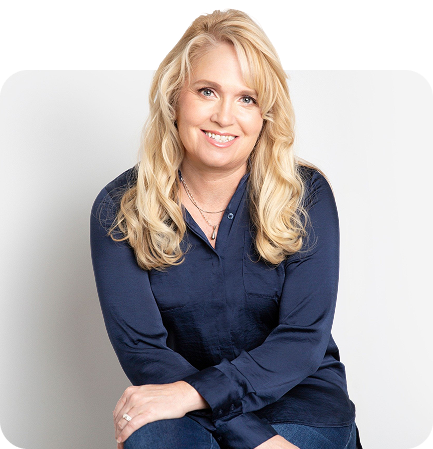
Michele Payn is an award-winning speaker and author cutting through food myths, helping farmers tell their story, and connecting science on an emotional level - across six continents and four award-winning books.

CSP Designation
IPPY Gold Medalist

4 Published Books

25+ Countries
Featured on








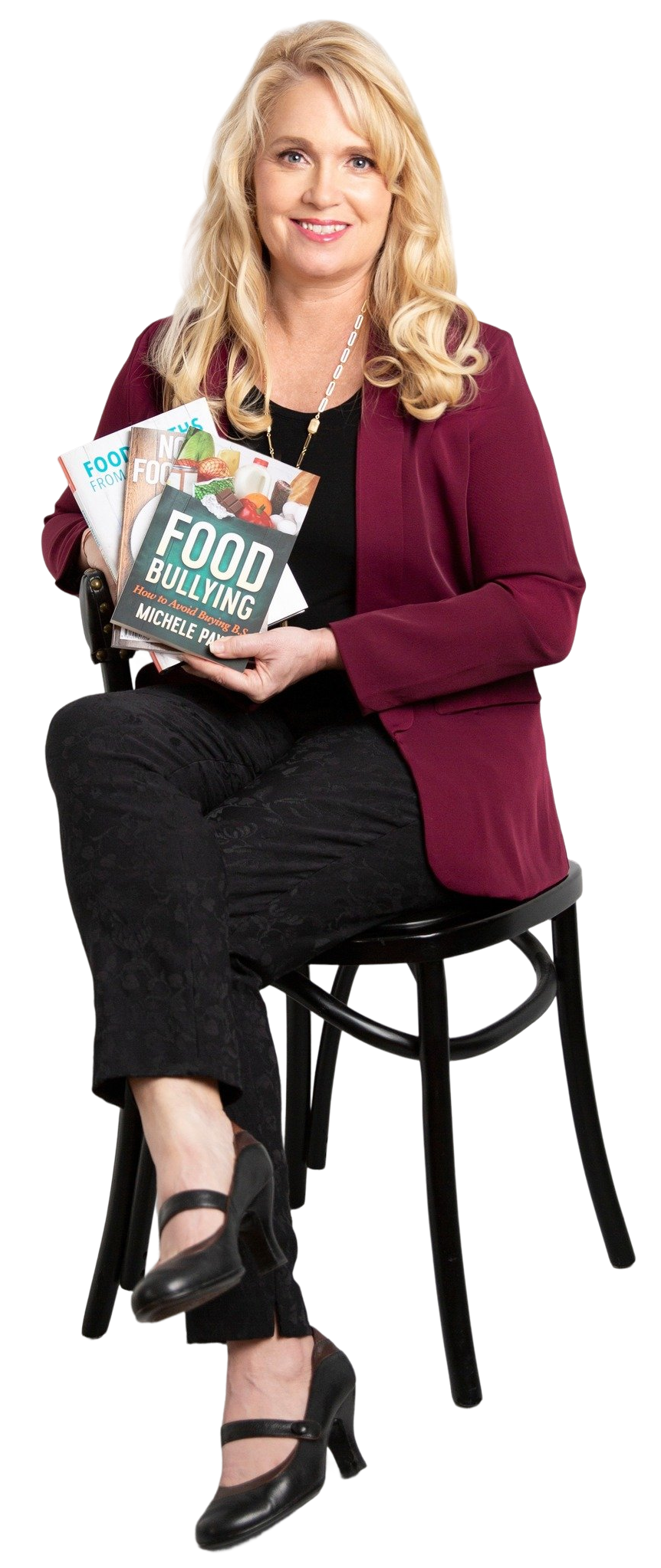
4 books.
6 continents.
140+ podcast episodes.
$5M+ raised for FFA & 4-H
A Certified Speaking Professional designation held by less than 10% of speakers worldwide. Michele Payn has spent a career helping agriculture communicate — from training Ukrainian grain farmers to advising Fortune 500 executives to coaching scientists on storytelling.
She has the experience because she's done the work.
Trending Topics
What's Shaping Agriculture Right Now
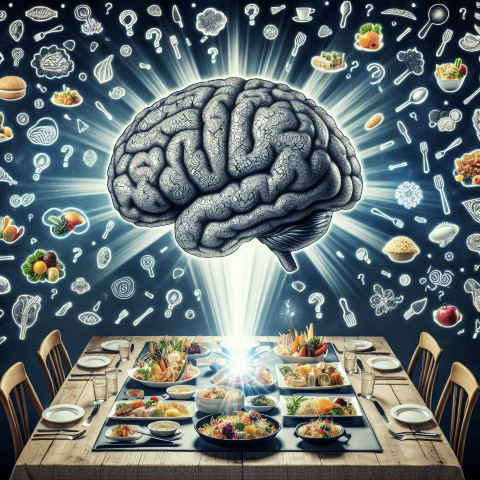
Harvesting AI: Predict Food Trends, Protect Farming's Truth
Artificial intelligence answers millions of questions about food and farming daily — often incorrectly. Michele shows agricultural leaders how to forecast emerging consumer demands, correct machine-generated misinformation, and ensure AI doesn't define agriculture with myths instead of facts.
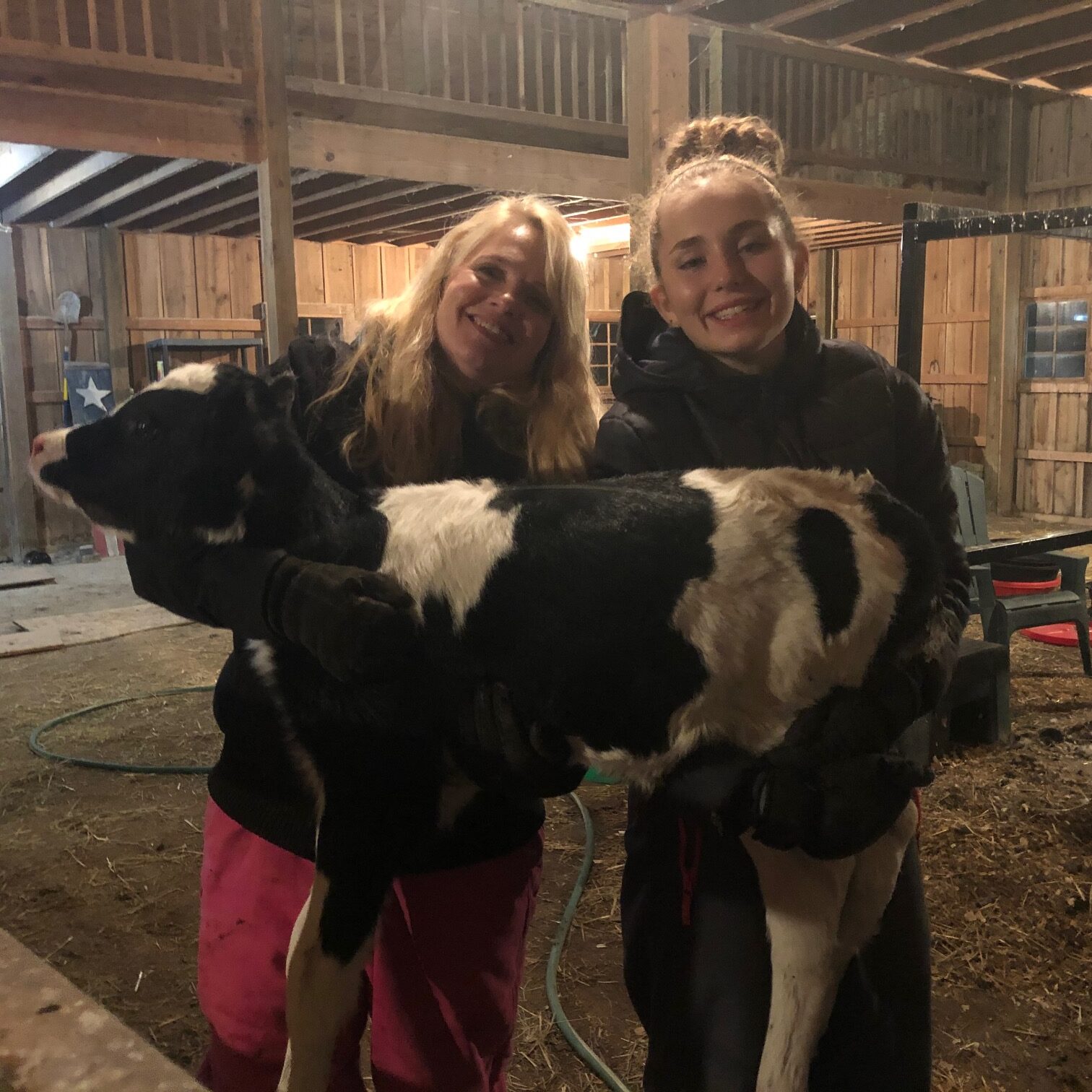
Grace, Gratitude & Growth: Women Leading Agriculture Forward
Women in agriculture face unique pressures — defending farming practices while managing mental wellness, juggling families, and leading operations. Michele equips female agricultural leaders to move from overwhelmed to intentional with practical strategies to lead with clarity and communicate with confidence.

Making Mental Health Part of Agriculture's Business Strategy
Half of those in agriculture struggle with depression or anxiety. Michele helps agricultural and rural organizations move from stigma to support through practical stress management training and keynotes that normalize mental wellness conversations.

More than a Speaker.
A Published Voice.
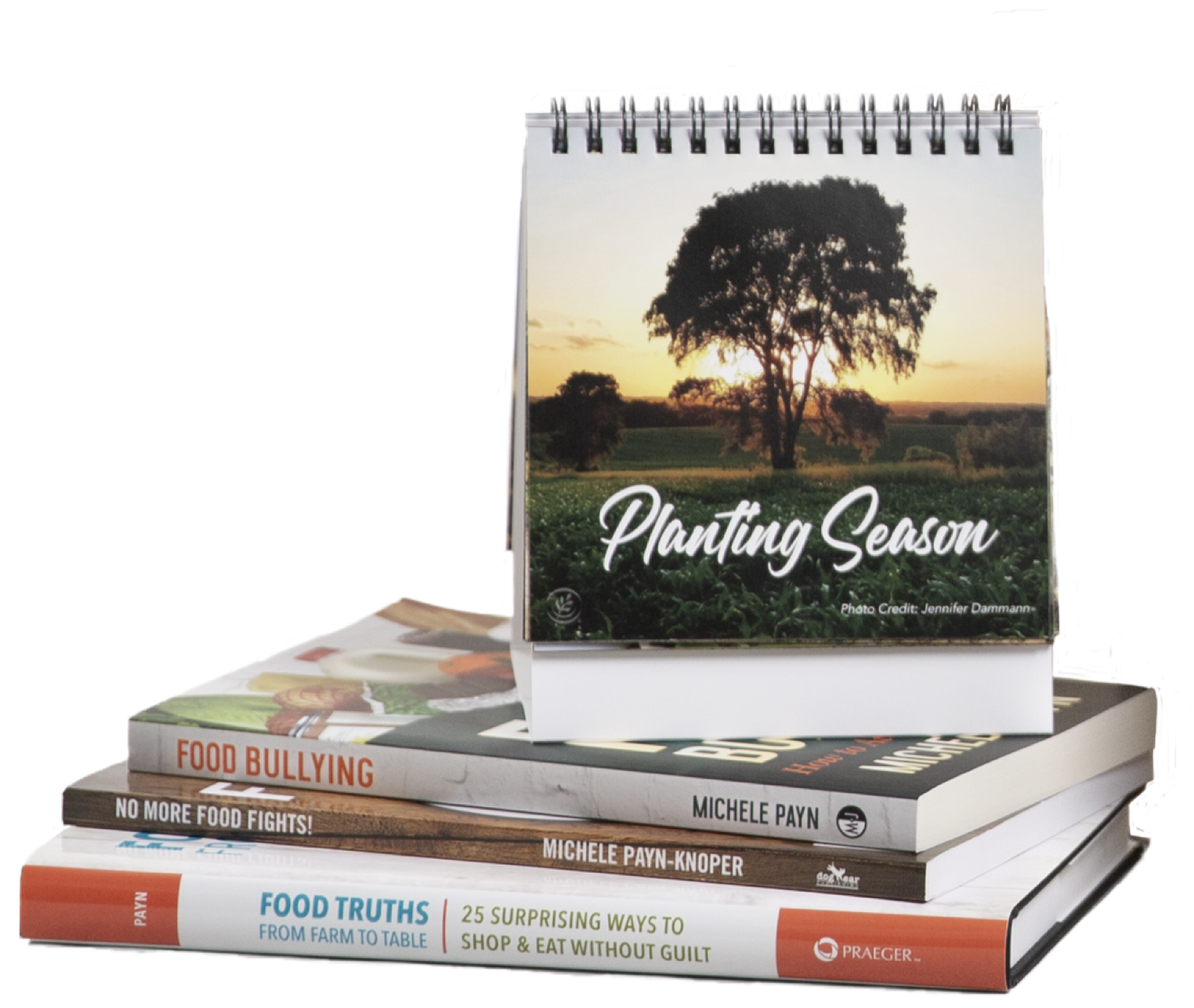
Michele doesn't just speak about food and agriculture — she writes the books on it. Two IPPY award winners, three Amazon bestsellers, and 140+ podcast episodes. All designed to give farmers, scientists, and food professionals practical tools for cutting through misinformation and communicating in a more meaningful way.
- Science Story Speak — A playbook for communicating science in a sensationalized world.
- Food Bullying: How to Avoid Buying B.S. — IPPY Gold Medal Winner · Exposes fear-based food marketing.
- Food Truths from Farm to Table — IPPY Bronze Medal Winner · 25 ways to shop without guilt.
- No More Food Fights! — A two-sided book to reach across the plate and grow understanding.
Keynotes & Workshops to Move People to Action

AI & Agriculture
Science Story Speak
Take Food Bullying by the Horns
Resiliency for Agriculture: Surviving the Darkest Storms
Translating Farm to Food
Celebrating Agriculture
Programs for Dietitians & Nutrition Professionals
What Michele's Clients Say

"I have been attending conferences and seminars in the food processing industry for nearly 30 years. Michele's recent talk at the Apple Processors Association is in the top two or three presentations I have heard. She was challenging, thought provoking and up-to-date on the issues relevant to our business. If you just want to hear a pep talk, don't ask her to speak. She tells it like it is."
Tim Proctor, White House Foods & APA Chairman
"Michele hit a home run with her 'Take Food Bullying by the Horns' presentation. She thoroughly engaged the audience with a thought-provoking discussion that helped make the connection between science and human emotions when it comes to tackling some of the thorny issues facing agriculture."
Gene McAvoy, NACAA President
"Her presentation empowers agriculture to tell its story with credibility, respect, and impact. Michele helped me navigate tough conversations with compassion for the urbanites who have little connection to where their food comes from."
Jeannette Andrashewski, Canadian Canola Farmer
"I'm so grateful for the way you connect both sides of the table. Thank you for helping people see the heart, rigor, and care behind that work."
Broch Martindale, Corteva Agriscience
"Michele provided a safe, enthusiastic, and understanding environment for our producers to address difficult topics, such as mental health and managing stress. She combined science with reality to connect with the audience and show them the importance of taking care of themselves, just as well as they care for their animals and businesses."
Zoey Dinkla, Iowa Pork
"Agriculture needs to address food buyer concerns in order to be successful in the future. Food buyers need to know more facts about where their food comes from. Michele Payn bridges those worlds and helps others do the same.”
Mary Shelman, Harvard Business School Agribusiness Program (book endorsement)








Michele Payn has spent 25 years translating farm to food
Empowering farmers find their voice, scientists tell their story, and consumers separate fact from fear. She's worked across six continents, written four books, and built global communities around smarter food conversations.
When agriculture needs to communicate, Michele bridges the gap.

Food Truths and Consumer Trust

Farm to Fork Communication

Sustainable Agriculture and Science

Farm Family Well-Being and Resilience
Let's create something meaningful for your organization together.
Michele loves a good conversation, especially when it leads to helping agriculture communicate more effectively and people finding truth in food. Reach out to talk about keynotes, workshops, consulting, or media opportunities.